Home Blog Page 93

Two crew members injured after tanker hit in Strait of Hormuz amid escalating US-Iran tensions

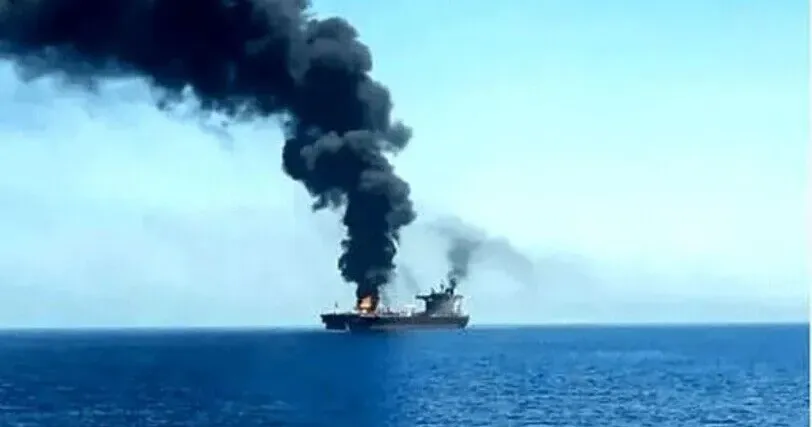
PORTSMOUTH: A commercial tanker transiting inbound through the Strait of Hormuz was struck by an unknown projectile on Monday, causing minor injuries to two crew members.

According to a security warning issued by the United Kingdom Maritime Trade Operations (UKMTO), military authorities confirmed the attack occurred during an inbound passage through the strategic waterway.

“UKMTO has received a report of an incident involving a vessel transiting the Strait of Hormuz,” the agency wrote in a post on X. “Military authorities have informed UKMTO that a tanker conducting an inbound transit was struck by an unknown projectile.”

British maritime security firm Vanguard Tech identified the vessel as the La Stephanie, a British-flagged tanker. The ship was reportedly targeted in a drone strike while navigating through the Strait of Hormuz toward the Persian Gulf.

Despite the strike, the vessel sustained minimal operational damage and remains en route to its destination under its own power, according to the report.

“Two crew have sustained minor injuries and the vessel is reported to be continuing to its next port of call under its own power,” UKMTO said. “There is no reported environmental impact at this time.”

The agency noted that relevant military authorities are actively investigating the incident. Commercial vessels navigating the area have been advised to exercise caution and immediately report any suspicious maritime activity to UKMTO.

Earlier, Iranian Parliament Speaker Mohammad Bagher Ghalibaf ruled out reopening the Strait of Hormuz or returning to the previous framework of negotiations with the United States until Washington meets Tehran’s conditions, as tensions between the two countries continue to escalate.

According to Al Jazeera, Ghalibaf said Iran had conveyed its demands to the United States through intermediaries and would not reconsider its position until Tehran’s conditions were fulfilled.

“Our messages and conditions have been conveyed explicitly to the other side through intermediaries… And until these conditions are met, the inalienable rights of the Iranian nation are recognised, and the Americans fulfil their commitments, there will be no possibility of a return to the previous negotiation framework or to reopen the Strait of Hormuz,” Ghalibaf said.

Ghalibaf’s remarks came after Iran’s central military command warned that any renewed US military action against Tehran would trigger attacks against American bases and interests across the region.

The Khatam al-Anbiya Central Headquarters said in a statement carried by Iran’s state-run IRNA that any US military action would be met with “continuous, effective and painful” attacks.

“Should the United States make any mistake against the Islamic Republic of Iran, all its bases and interests in the region will be targeted in continuous, effective and painful attacks without any limitation or consideration,” the statement said.

The Iranian military command also warned regional countries against supporting any US military operation against Tehran, saying countries that assist Washington would be regarded as participants in the action.

Meanwhile, US Central Command said its forces had redirected 109 commercial vessels as part of efforts to enforce Washington’s naval blockade on Iran.

“A U.S. Sailor stands watch aboard USS John Paul Jones (DDG 53). As of Sept. 20, CENTCOM forces have redirected 109 commercial vessels to ensure total compliance,” CENTCOM said in a post on X.

The US military resumed enforcement of the blockade against maritime traffic entering and leaving Iranian ports on July 14.

The Strait of Hormuz has emerged as a major flashpoint in the escalating US-Iran confrontation. The strategic waterway is a crucial route for global energy shipments, and restrictions on maritime traffic have raised concerns over further disruption to international trade and oil supplies.

Source: ANI
deugro Commissions New Port Setup for WTG Component Handling and Storage, Welcoming First Rotor Blade Shipment from China

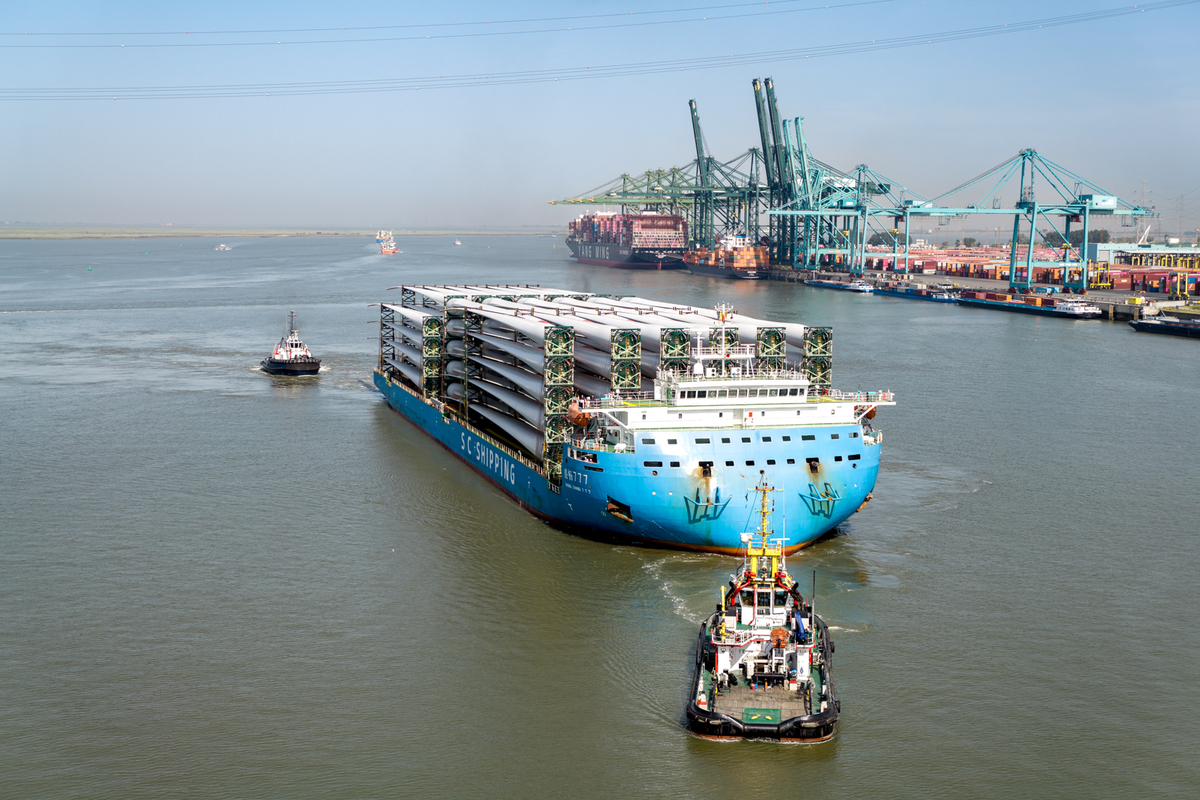
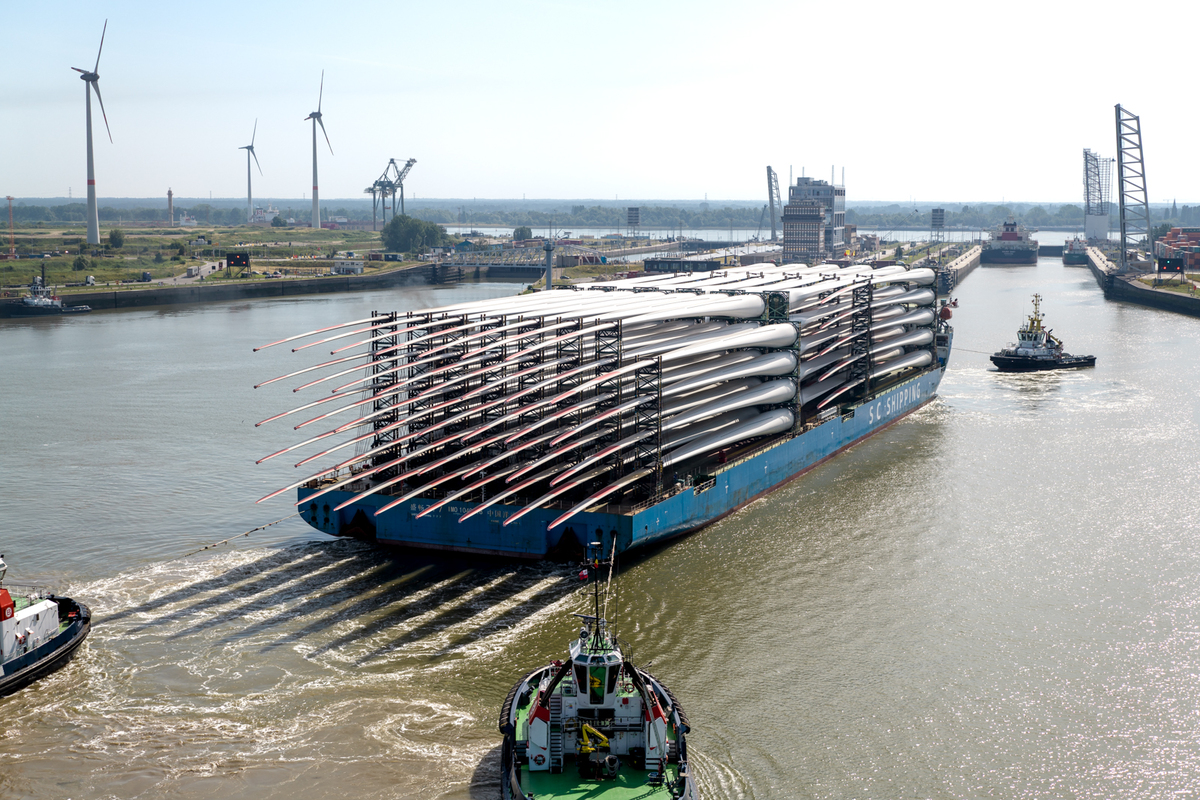
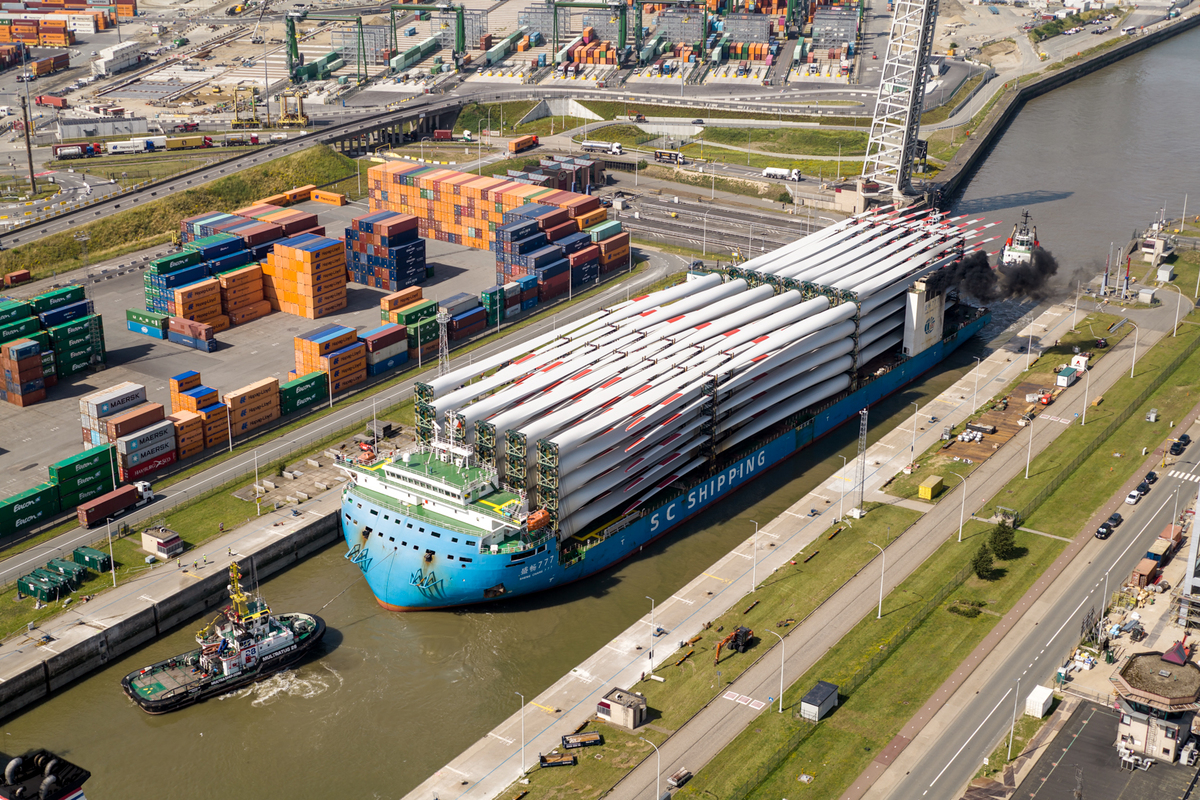
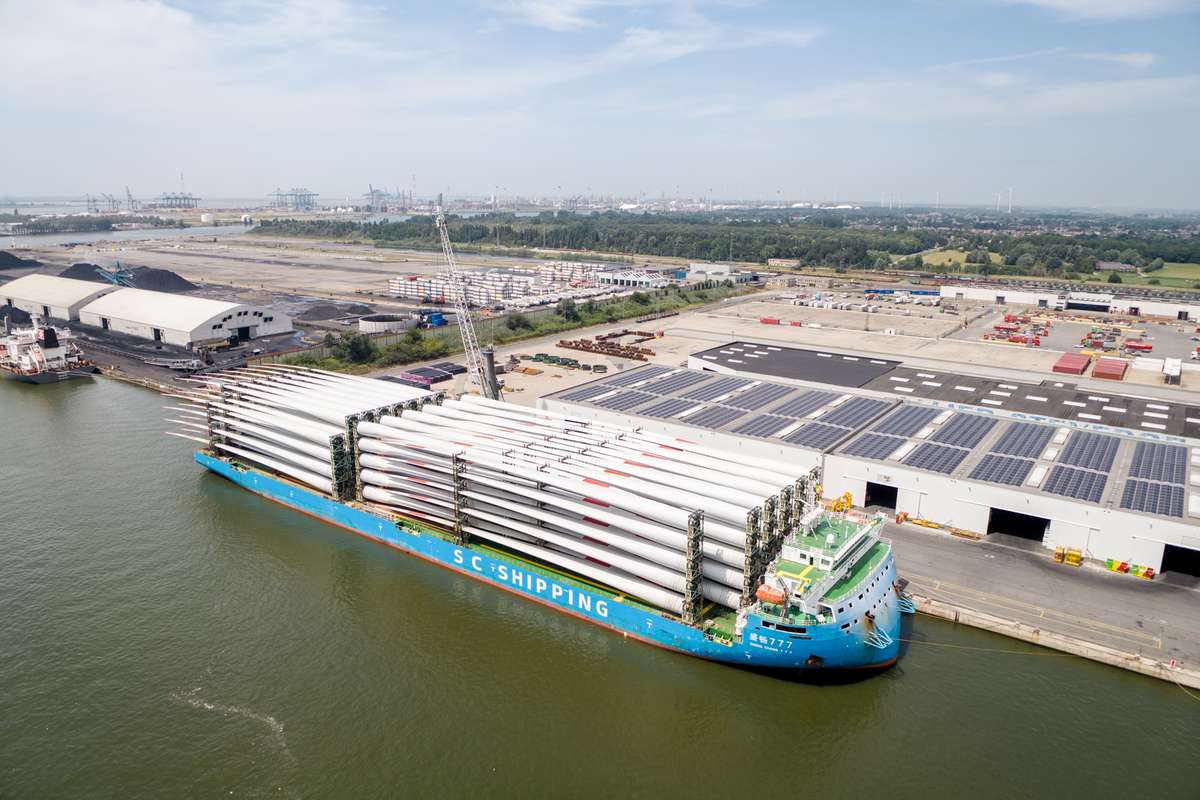
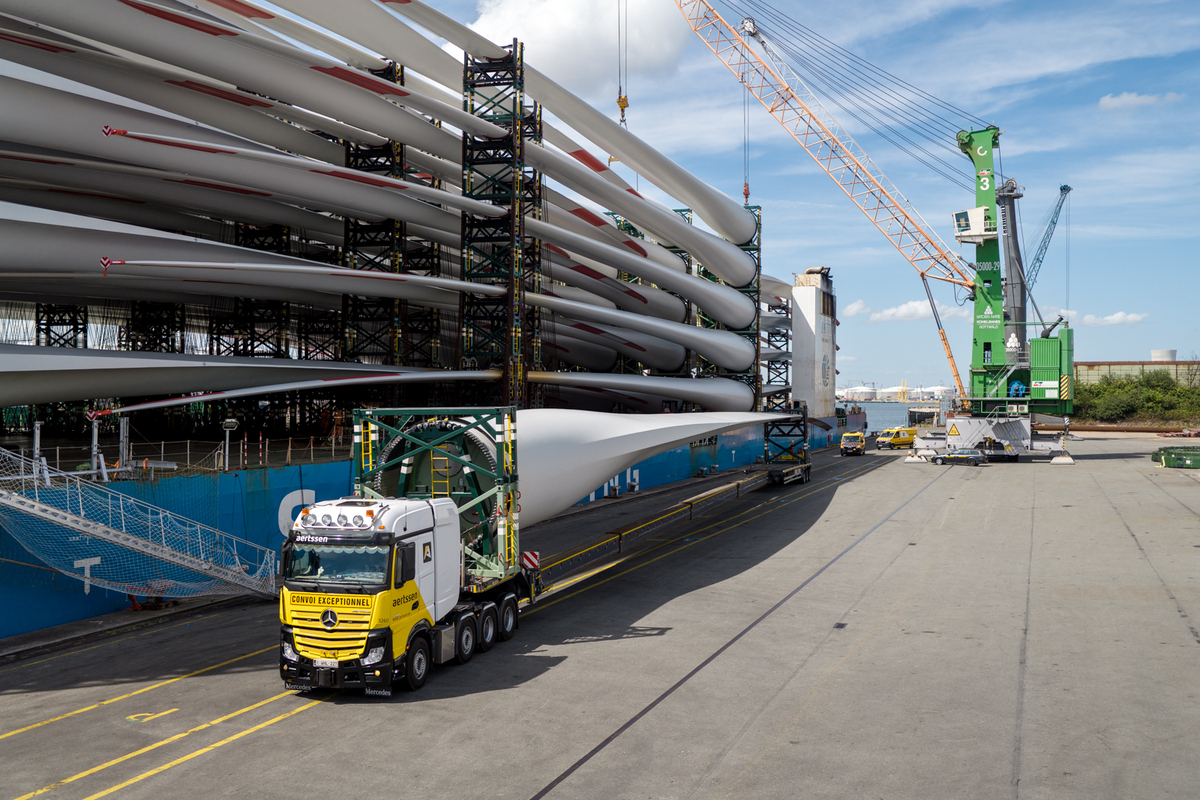
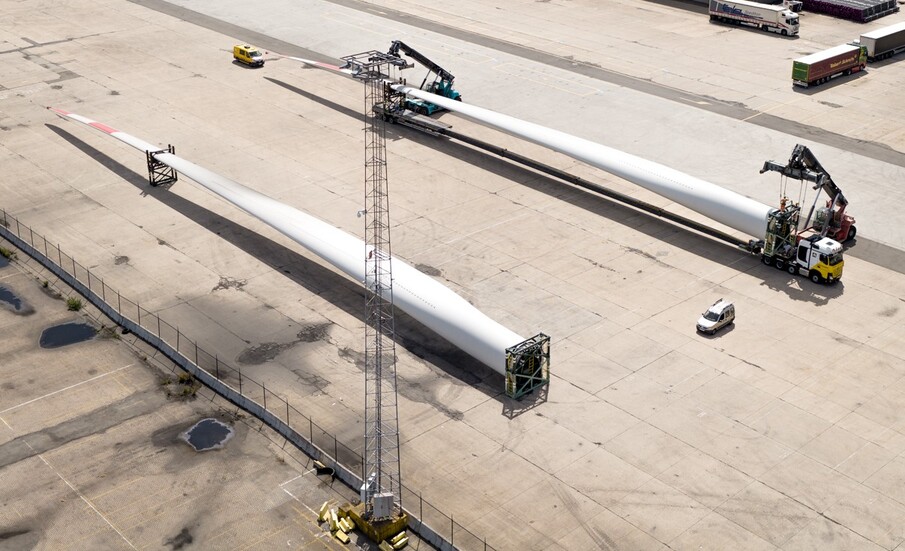
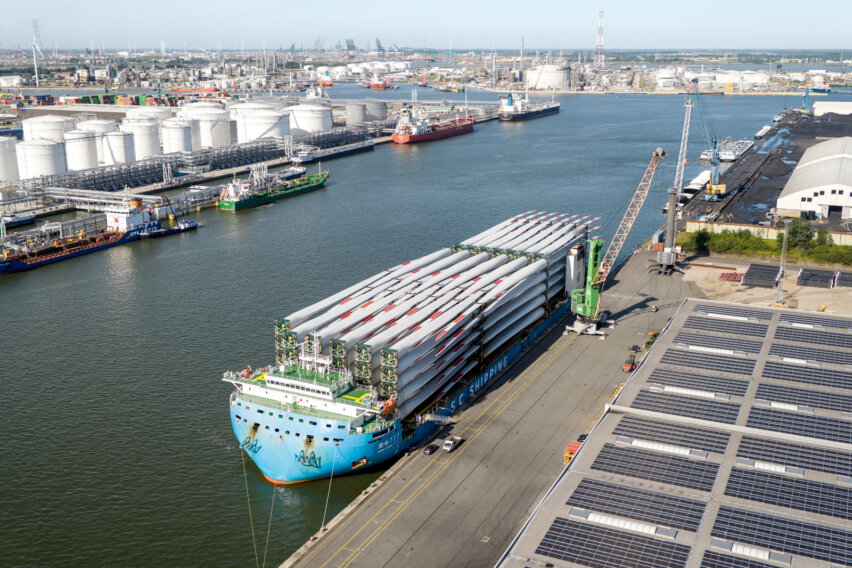
ANTWERP: To address rapidly increasing demand for port handling and storage capacity amid limited market availability, deugro commissioned a new port setup in Antwerp, Belgium, in June 2026 for one of its clients, a leading global wind turbine manufacturer.

The port setup offers storage and handling space for the full range of WTG components, from rotor blades and nacelles to tower sections, as well as specialized equipment for handling and managing complex breakbulk cargoes.

In addition to its facilities in Lindø within the Port of Odense, Denmark, the Port of Wilhelmshaven, and the Port of Brake, Germany, the Antwerp setup marks the fourth facility deugro has established within a short period to provide its clients in the Global Wind & Renewable Energy (GWRE) industry with dedicated port handling and storage capacity for WTG components.

The new Antwerp setup is supported by high-capacity cranes, specialized handling equipment, and extensive storage and pre-assembly areas. In addition, the port’s strategic location provides flexible onward transportation options through direct access to European road, rail and inland waterway networks.

“With direct access to Europe’s road, rail and inland waterway networks, the Antwerp setup offers flexible connectivity to project sites across Belgium, Germany, the Netherlands and beyond. Its location along the Rhine-Scheldt corridor further enables the use of inland barges as a sustainable transport alternative for oversized and heavy WTG components. Combined with strong multimodal hinterland connections and close proximity to key project sites, Antwerp serves as a strategic hub for the distribution of wind energy components throughout Europe,” said Wouter Gielen, Branch Manager, deugro Antwerp, Belgium.

Together with its local partners, deugro offers the full range of services, equipment and expertise required for the handling, storage and consolidation of WTG components, while providing maximum flexibility for subsequent road and inland waterway transportation. The company’s port handling services include port agency coordination, vessel discharge operations and supervision, terminal operations coordination, and heavy-lift cargo handling. Warehouse and storage services comprise dedicated storage management, blade and component storage planning, inventory control, condition inspections and documentation, as well as site surveys. In addition, deugro provides preparation and project logistics management for onward transportation, ensuring seamless coordination throughout the entire supply chain.

„By utilizing Antwerp as a strategic hub, our client benefits from scalable storage capacity, optimized supply chain management, and enhanced responsiveness for upcoming project deliveries,” said Maximilian Granzow,  Sales and Business Development Manager – Wind Onshore Germany at deugro

„Since commencing operations, the setup has already demonstrated its capabilities. In July 2026, we successfully completed the discharge of the first vessels and the subsequent cargo handling and storage at the terminal facility,“ adds Granzow

“The Antwerp setup represents another important step in the continued expansion of deugro’s dedicated GWRE infrastructure network. As turbine dimensions increase and project schedules become more demanding, strategically located logistics hubs are becoming essential to ensuring supply chain reliability, scalability, and execution certainty for our clients. Antwerp further strengthens our ability to support the continued growth of wind energy projects across Europe with dedicated infrastructure and integrated logistics solutions,” said Peter Ehrhorn, Director Onshore Wind & Cables at deugro

BetterSea and GTT Marine Partner to bring FuelEU Trading and Pooling to Vesper Insights

LISBON: BetterSea, provider of a leading FuelEU compliance platform and marketplace, and GTT Marine, a business unit of the GTT Group, Monday announced a white-label integration partnership to accelerate FuelEU Maritime compliance for shipping companies.

Under the partnership, GTT Marine will integrate BetterSea’s platform into its own Vesper Insights platform offering, enabling GTT Marine customers and platform users to seamlessly execute FuelEU trading and pooling end-to-end, directly from the Vesper Insights platform. Through this white-label integration, customers will gain access to BetterSea’s full FuelEU infrastructure, including marketplace access, simulation tools, pooling and post-trade workflows, as well as streamlined Thetis reporting capabilities, all within the Vesper Insights environment. This creates a uniquely aligned offering for customers seeking a single, trusted route to FuelEU compliance and execution.

As FuelEU Maritime moves into operational reality, shipping companies need more than visibility into compliance exposure. They need the ability to assess options, execute transactions, and complete workflows reliably and at scale. The BetterSea-GTT Marine partnership addresses that need by combining BetterSea’s execution-ready FuelEU platform with GTT Marine strong position in vessel performance and maritime innovation.

Delivering tangible value to clients

Through the BetterSea-GTT Marine partnership, customers will gain:

·       seamless access to FuelEU trading and pooling execution directly within GTT Marine Vesper Insights platform

·       access to BetterSea’s FuelEU marketplace and daily FuelEU surplus index

·       simulation tools to compare compliance pathways across different regulations and evaluate cost exposure

·       pooling and post-trade workflows supported by standardized legal and financial structures

·       pool tracking and Thetis reporting capabilities to support the full FuelEU execution process

·       fully streamlined and connected route to end-to-end FuelEU compliance

The result is a more practical, scalable, and execution-focused compliance experience for shipowners, operators, and charterers navigating FuelEU Maritime.

Executive commentary

“This partnership with GTT Marine marks an important step in our mission to make FuelEU compliance and pooling easier to access and execute, while underlining BetterSea’s position as the market leading FuelEU marketplace. By embedding our platform into GTT Marine Vesper Insights offering, we are giving customers a seamless and efficient path from compliance understanding to full trading and pooling execution, all within an environment they already know and use.” Maximilian Schroer, Co-CEO, BetterSea

“At GTT Marine, we are committed to equipping our customers with practical and high-value solutions for the decarbonisation transition. Through this partnership with BetterSea, we can offer our users direct access to a complete FuelEU execution framework, from simulation to trading, pooling, and reporting, directly via our platform.” Christian Treu, VP Revenue, GTT Marine

A shared commitment to practical decarbonisation

FuelEU Maritime introduced new commercial, operational, and regulatory complexity for shipping companies. Addressing it effectively requires more than fragmented tools or standalone advisory support. It requires a connected infrastructure for compliance understanding, decision-making, cross-party alignment, execution, and reporting.

The latest partnership between BetterSea and GTT Marine reflects that approach. By bringing together complementary capabilities in maritime technology and FuelEU execution, the two companies are enabling a more intelligent, standardized, and scalable pathway to compliance.

Together, BetterSea and GTT Marine are helping customers turn FuelEU compliance from a fragmented obligation into a streamlined, execution-ready process.

About BetterSea

BetterSea is a maritime compliance technology company helping shipowners, operators, managers, charterers, and other industry stakeholders navigate increasingly complex decarbonisation regulations and decarbonisation commercialisation. Its platform brings compliance data, simulation, marketplace access, trading and pooling execution, reporting, and risk management into one connected environment.

BetterSea supports regulations including FuelEU Maritime, EU ETS, UK ETS, and selected national carbon regimes, enabling users to move from compliance understanding to execution with greater transparency, speed, and control. By combining digital infrastructure, standardized legal and financial frameworks, and maritime expertise, BetterSea aims to make regulatory compliance simpler, more scalable, and easier to execute across global shipping.

New 150,000 cbm ULEC project targets larger-scale ethane transportation with GTT’s latest cargo containment system

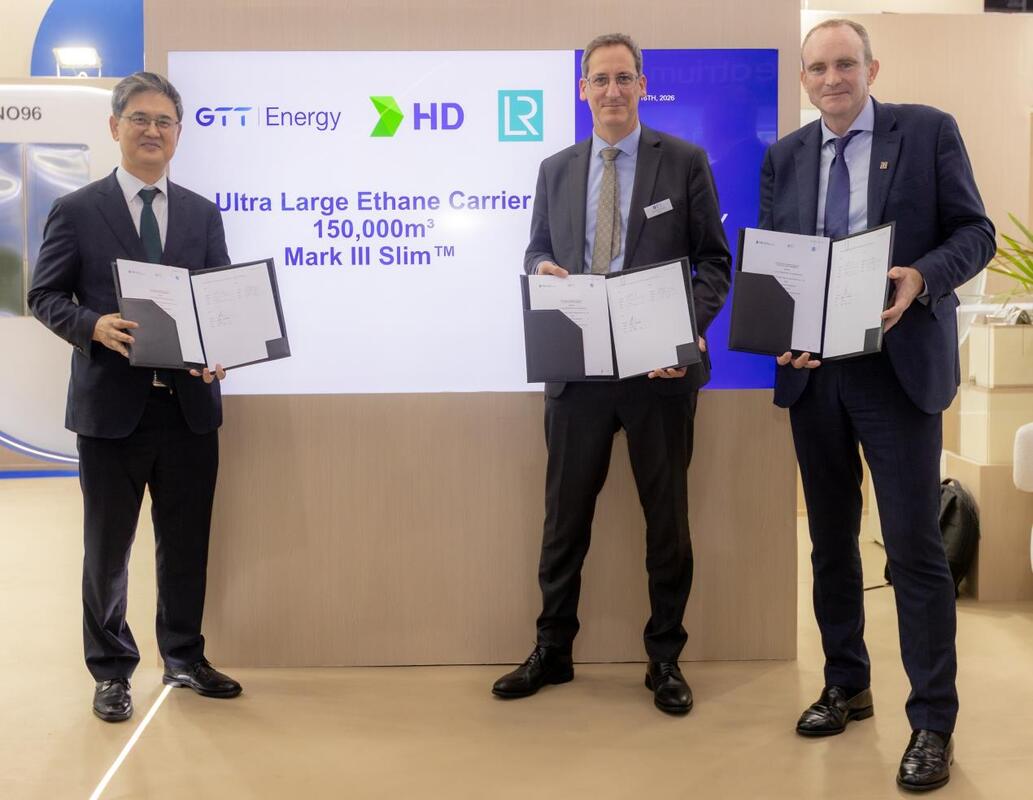
HD Hyundai Heavy Industries, GTT and LR have launched a joint project to develop a 150,000 cbm ultra-large ethane carrier, exploring the next step in large-scale ethane transportation.

LONDON: Lloyd’s Register (LR), HD Hyundai Heavy Industries (HHI) and GTT have signed a joint development project (JDP) agreement to develop and technically assess a 150,000 cbm ultra-large ethane carrier (ULEC), incorporating GTT’s Mark III Slim design.

Announced at Gastech 2026 in Bangkok, the project will bring together HHI’s shipbuilding expertise, GTT’s cargo containment technology and LR’s classification and technical assurance capabilities to develop and review the vessel design in accordance with LR Rules.

The 150,000 cbm ULEC concept is the largest vessel design for the ethane carrier segment. As ethane trade volumes continue to grow and voyage economics become an increasingly important consideration for operators, the industry is exploring larger vessel concepts capable of transporting greater cargo volumes while maintaining high standards of safety, operability and efficiency.

Through the JDP, the partners will evaluate the technical challenges and opportunities associated with scaling ethane carrier capacity to 150,000 cbm. The project will focus on vessel design development, cargo containment integration, safety considerations and compliance with applicable classification and regulatory requirements.

The collaboration aims to establish a robust technical foundation for future ultra-large ethane carrier projects while providing greater understanding of the design, operational and safety considerations associated with vessels of this scale.

Constantinos Chaelis, Global Gas Segment Director, LR, said: “As the ethane trade expands, owners are looking for larger and more efficient vessel concepts that can deliver operational and commercial advantages without compromising safety or reliability.

“This collaboration provides an opportunity to apply our advanced gas carrier expertise to the development of a credible and technically robust 150,000 cbm ULEC concept that helps establish a clear technical pathway for future projects in this segment.”

Hongryeul Ryu, Chief Technology Officer, HHI, said : “HHI has continuously pursued technological innovation, with optimized ship designs tailored to operating conditions and customer requirements serving as one of its core design values.

“This JDP is founded on the same design philosophy and aims to introduce a new solution that enhances both vessel performance and economic efficiency.

“HHI’s 150,000 cbm ULEC, incorporating the MARK III SLIM design, is expected to become a next-generation vessel that achieves both weight reduction and improved performance. Furthermore, this project is anticipated to represent an important milestone in establishing a new paradigm for ship design through the application of the latest cargo containment system (CCS).”

François Michel, Chief Executive Officer, GTT, said: “Thanks to the versatility of our technologies, we can deliver greater efficiency across ethane transportation. With Mark III Slim, this translates into increased cargo capacity and shorter vessel construction times. GTT, HD Hyundai Heavy Industries and Lloyd’s Register share the ambition and responsibility to advance a new generation of increasingly efficient vessels that maintain the same rigorous standards of safety, reliability and industrial compliance.”

Jefferies reiterates bullish call on Adani Ports, sees 1 billion-tonne cargo target By 2030

AHMEDABAD: Adani Ports remains confident of achieving its target of handling 1 billion tonnes of cargo by 2030, supported by growth at its domestic ports and a ramp-up in international operations, according to Jefferies.

The brokerage maintained its Buy rating on Adani Ports with a target price of Rs 2,160. It expects the company’s cargo volumes to grow at a compound annual rate of 13%, compared with management’s target of 16%.

Jefferies said integrating technology with Adani Ports’ existing port infrastructure remains a focus area, while the company’s logistics business can also support growth.

Domestic, international ports to drive volumes

Adani Ports expects organic growth across its domestic ports and increased activity at its international ports to drive cargo volumes towards the 1 billion-tonne target, according to Jefferies.

The brokerage said technology integration across the company’s port infrastructure is a key focus area.

Jefferies also identified logistics as a growth enabler for the ports business.

Balance sheet supports growth spending Jefferies said Adani Ports’ balance sheet remains strong, with the company potentially turning net cash by FY31E.

This would provide room for growth-related capital expenditure, according to the brokerage.

Capital allocation remains a key focus area for the company, Jefferies said.

Vadhvan Port HAM tender extended as DP World and NMDC-Boskalis JV submit bids for ₹22,323-crore offshore package

MUMBAI: The tendering process for the offshore protection bund of the Vadhvan Port project has entered another extension phase, with Vadhvan Port Project Limited (VPPL) extending the deadline for submission of bids to 3 PM on September 23, 2026.

The extension follows the submission of bids by DP World Ltd and a joint venture between Royal Boskalis B.V. and NMDC Dredging & Marine for the offshore protection bund package, estimated at ₹22,323.47 crore. The offshore bund represents the largest individual construction component of the overall Vadhvan Port development.

The tender is being undertaken under the Public-Private Partnership (PPP) model through the Hybrid Annuity Mode (HAM).

According to the information available on the tender process, VPPL has provided additional time for participation in the bidding process, with the latest deadline coming after the earlier extended date of September 17.

Ravish Kumar Singh, Deputy Chairman, Jawaharlal Nehru Port Authority (JNPA), said the extension was intended to facilitate wider participation in a project of this scale.

JNPA and the Maharashtra Maritime Board (MMB) are the stakeholders in VPPL, the special purpose vehicle established for development of the Vadhvan Port project in Maharashtra.

₹76,220-crore greenfield port project

Vadhvan Port is being developed as a greenfield deep-draft port with an estimated investment of ₹76,220 crore. The project is planned to provide annual cargo-handling capacity of around 298 million metric tonnes (MMT), including a projected container-handling capacity of 23.2 million TEUs.

The offshore protection bund will be developed in two phases over an area involving approximately 1,207 acres of reclaimed land.

Under the HAM structure, the project follows a 45:55 payment arrangement, under which 45 per cent of the payment is to be provided by VPPL, while the remaining 55 per cent will be contributed by the PPP operator. The concession period is planned for 15 years, comprising five years for construction followed by 10 years of operation and maintenance.

Three major components of Vadhvan Port development

The offshore protection bund is the largest of the three principal construction packages forming part of the Vadhvan Port development.

The second component involves a ₹1,648-crore reclamation project for development of a port-linked facility near the shoreline, which will serve as the landing jetty. The contract for this work was awarded to Cemindia Projects Ltd, formerly known as ITD Cementation India Ltd, in December 2024.

The third major component is the construction of a 10.14-km-long breakwater, for which the contract has been awarded to Afcons Infrastructure Ltd, part of the Shapoorji Pallonji Group. The project has a contract value of ₹5,301.25 crore and is planned as the longest breakwater associated with an Indian port.

With these major packages progressing through different stages of implementation, the Vadhvan Port project represents a significant addition to India’s planned port infrastructure and deep-draft cargo-handling capacity.

Source: The Week

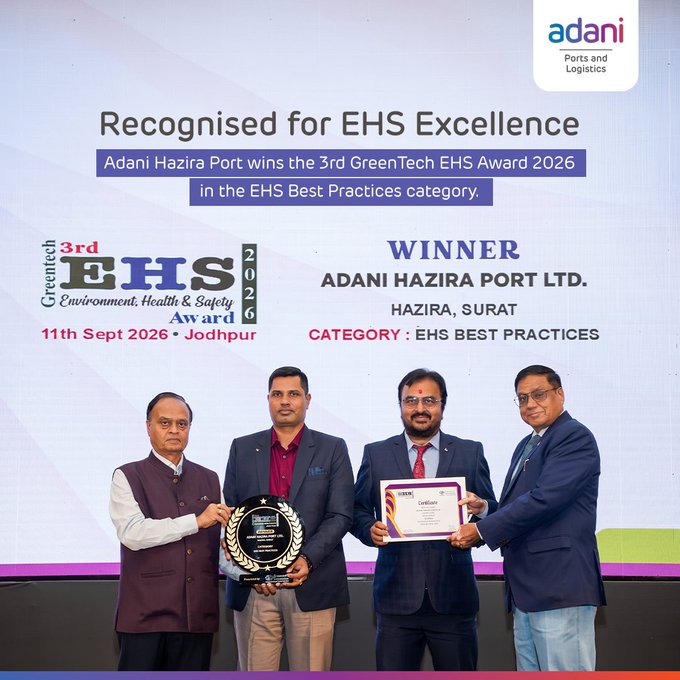
Adani Hazira Port wins 3rd GreenTech EHS Award 2026 for best practices

JODHPUR: Adani Hazira Port Limited (AHPL) has been recognised as the Winner of the 3rd GreenTech Environment, Health & Safety (EHS) Award 2026 in the EHS Best Practices category, acknowledging the port’s continued efforts towards strengthening workplace safety, environmental responsibility and operational excellence.

The award was presented at the 3rd GreenTech EHS Award 2026 ceremony held in Jodhpur on September 11, 2026. The recognition reflects AHPL’s ongoing focus on embedding Environment, Health and Safety principles across its port operations and promoting a strong culture of responsible and sustainable growth.

The EHS Best Practices Award recognises organisations demonstrating effective practices in environment, health and safety management. For Adani Hazira Port, the honour underlines its approach towards integrating safety and environmental considerations into day-to-day operations and business processes.

AHPL has continued to place emphasis on process safety, operational discipline, environmental stewardship and employee well-being, with the objective of maintaining safe and efficient port operations. Its focus on a “Zero Harm” culture is aimed at strengthening awareness, accountability and preventive safety practices across the organisation.

The recognition also highlights the growing importance of EHS standards in the port and logistics sector, where large-scale cargo handling, marine operations, equipment movement and industrial activities require robust safety systems and continuous risk management.

Located at Hazira near Surat, Gujarat, Adani Hazira Port is an important maritime gateway supporting industrial and commercial activity in the region. Its EHS initiatives complement the broader objective of ensuring that port-led growth is accompanied by responsible environmental practices and safe working conditions.

The award adds to AHPL’s efforts to pursue safe, sustainable and operationally efficient port development, reinforcing the role of strong EHS practices in building resilient logistics infrastructure.

Key Highlights

Adani Hazira Port Limited named Winner of the 3rd GreenTech EHS Award 2026.
Recognised in the EHS Best Practices category.
Award presented at the ceremony in Jodhpur on September 11, 2026.
Recognition reflects AHPL’s focus on operational excellence and process safety.
Continued emphasis on environmental stewardship and employee safety.
Strong focus on building a Zero Harm culture across operations.
The recognition reinforces the importance of EHS practices in achieving safe and sustainable growth in the port and logistics sector.

Assam, Bengal and Bihar pitch Investors on Eastern Growth Story at ICC Global Business Summit 2026

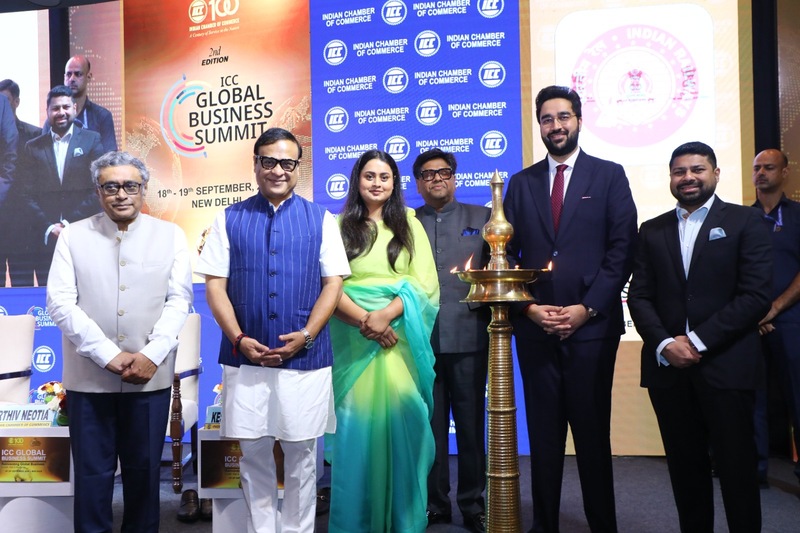
NEW DELHI: The inaugural session of the ICC Global Business Summit 2026, held under the theme “Reinventing Global Business: Growth, Risk & Resilience,” opened at Taj Palace, New Delhi on September 18, bringing together ministers from Assam, West Bengal and Bihar for a session on India’s Eastern and Northeastern growth corridor.

Assam Chief Minister Dr. Himanta Biswa Sarma opened the ministerial remarks with a data-heavy account of his state’s growth, framing it within what he called the Purvodaya push, the central government’s plan to make the East and Northeast the next engine of national growth.

He said Assam’s nominal GSDP is estimated at Rs 7.45 lakh crore for 2025-26, with real growth above 10 percent, projected to rise to Rs 8.71 lakh crore in 2026-27. He cited a Reserve Bank of India report recognising Assam as the fastest growing economy in the country, with industry now accounting for 35.54 percent of the state’s current price GSVA.

On execution, Sarma pointed to Assam’s Advantage Assam 2.0 summit, which drew investment commitments of Rs 5.18 lakh crore, of which Rs 3.5 lakh crore has already been converted into on-ground projects within a year. Since May 2021, more than 3,700 new factories have registered in the state, representing close to 1.11 lakh factory jobs, and the single window clearance system has processed over 2.5 million approvals.

He highlighted Tata Electronics’ Rs 27,000 crore semiconductor assembly and test facility, expected to be commissioned in December this year with capacity to produce up to 48 million chips a day and generate more than 27,000 direct and indirect jobs, alongside PepsiCo’s recently commissioned food manufacturing facility in the state.

On infrastructure, he cited seven operational airports, a new Guwahati terminal designed for roughly 30 million passengers annually, and a multi-modal logistics push spanning the Jogighopa logistics park and the Brahmaputra navigable economic corridor. He also set out plans for 6,000 megawatts of renewable energy capacity by 2030, and cited an export consignment of Assam-grown matcha to Japan.

Closing his remarks, Sarma made an unusual offer to investors: round-the-clock access to the state’s top bureaucracy. “A chief minister or a chief secretary, both, or my team, will respond to you even if it is midnight, 2 am, 4 am, anytime, within 5 minutes,” he said.

West Bengal Finance Minister Dr. Swapan Dasgupta followed with a markedly more candid account of his state’s recent history. “For 50 years, Bengal somehow disappeared from the development and economic map of India,” he told delegates, tracing the decline to capital flight in the 1960s, subsequent left-wing political turbulence, and successive governments that prioritised welfare spending over industrial growth.

He did not shy away from ranking his own state behind its neighbours. “Bengal needs to catch up to Bihar. Bengal needs to catch up to Odisha. Bengal needs to catch up to Assam,” Dasgupta said, adding that the admission “will not be very popular when it is translated back home.”

He framed Bengal’s recovery around its location as gateway to Assam and the Northeast, pressed for a coordinated Eastern India approach on tea, power and education, and pointed to plans for an education city and a medical tourism ecosystem. Policy predictability, he said, was what investors valued most.

Bihar Industry Minister Smt. Shreyasi Singh, a former national shooting champion, rounded off the ministerial remarks by invoking her own journey. “When people asked me, when she’s a girl, can she pick up a shotgun and shoot, will she be able to represent or even win for India, I broke all those rules, I broke all those questions and I answered them with the medals and the laurels that I have today,” she said.

Turning to Bihar’s investment record, Singh said the state had drawn direct on-ground investment of roughly Rs 50,000 crore in 2023, rising to Rs 1.81 lakh crore in 2024, and was on track to cross Rs 5 lakh crore in 2026.

She cited a manufacturer from Maharashtra who relocated his unit to Bihar in 55 days, expanding from 150 machines to more than 7,500, and pointed to Bihar-based exporters including Pearl Global, present in over nine countries, alongside makhana and sattu now reaching overseas markets through the state’s aviation links.

She closed on a note of what she called “healthy competition” among the states sharing the stage, in keeping with the spirit of unity in diversity behind the Prime Minister’s Viksit Bharat 2047 vision.

ICC President Brij Bhushan Agarwal, CMD of Shyam Metalics & Energy Ltd, said the gathering brought together leadership from states across East and North India, each with its own distinctive economic strengths, a significance he tied to ICC’s own roots in the region as a chamber headquartered in Kolkata with a regional office in Guwahati.

“The presence of these great leaders is a reflection of the growing importance of industry-government partnership in driving the next phase of economic growth,” he said.

The session also featured the exchange of three Memoranda of Understanding, alongside the presentation of the ICC Global Business Awards. The first was signed between ICC and FINEST, the Italian body that supports Italian companies expanding globally, with FINEST president Luca Di Benedetto joining on stage; Agarwal said the partnership would help companies at the summit identify Italian partners eyeing the Indian market. The second MOU was signed with the Harmonic Innovation Group, and the third with the Institute of Cost Accountants of India (ICMAI), with representatives from both organisations invited on stage for the exchange.

The ICC Global Business Summit 2026 continues at Taj Palace, New Delhi through September 19.

CWC MD raises ‘malpractices’ in phytosanitary certification, pitches integrated logistics to boost agri-exports

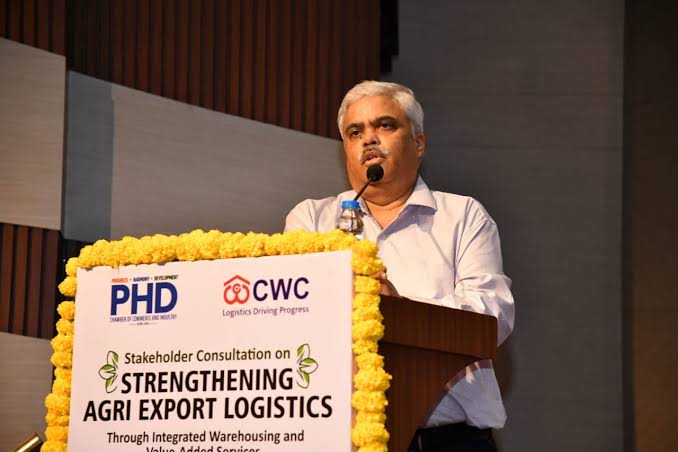
CHENNAI: Central Warehousing Corporation (CWC) Managing Director Santosh Sinha on Friday (September 19, 2026) raised concerns over what he described as “malpractices” in phytosanitary certification at ports, while declining to provide specific examples or name the entities involved.

Speaking to reporters on the sidelines of “Stakeholder Consultation on Strengthening Agri Export Logistics Through Integrated Warehousing and Value-Added Services”, organised by the Confederation of Indian Industry (CII) jointly with Central Warehousing Corporation (CWC) in Chennai, Mr. Sinha was asked about his reference to malpractices in certification.

The consultation, organised jointly by PHDCCI and CWC on “Strengthening Agri-Export Logistics through Integrated Warehousing and Value-Added Services”, brought together senior representatives of government agencies, industry, exporters, logistics companies, warehousing providers and sectoral experts to examine how India can build an efficient supply chain from the farm gate to global markets.

Sinha said strengthening logistics infrastructure is critical not only for expanding India’s agricultural exports but also for reducing post-harvest losses and preventing distress sales by farmers. He pointed out that CWC began its journey in 1957 with just seven warehouses, primarily to address farmers’ distress caused by inadequate storage infrastructure. Today, the corporation has expanded its network to more than 950 warehouses across the country.

India produces around 360 million tonnes of fruits and vegetables annually, but an estimated 25-30 per cent is lost after harvesting because of inadequate storage, insufficient cold-chain infrastructure and logistical bottlenecks.

“This represents both a major economic loss and a missed export opportunity,” Sinha said, underlining the need to build infrastructure capable of preserving quality right from the point of production.

CWC is now seeking to leverage its extensive warehousing and EXIM infrastructure to offer exporters a more integrated service covering storage, cold-chain management, quality control, phytosanitary certification and export logistics.

Sinha highlighted CWC’s specialised technical capabilities in phytosanitary certification, which can help Indian exporters meet destination-country requirements and reduce the possibility of consignments being rejected in overseas markets. The corporation is also exploring cost-effective, commodity-specific cold-storage solutions, including through its engagement with IIT Delhi.

Technology is emerging as another critical component of the proposed ecosystem. CWC is adopting digital and AI-enabled container tracking systems at key facilities to improve supply-chain visibility and enable exporters to track consignments more efficiently.

With its presence across major ports, Inland Container Depots (ICDs) and Container Freight Stations (CFSs), Sinha said CWC is well positioned to create a single-window logistics solution linking the farm gate with the final overseas customer. Such an integrated network could combine road, rail, air and coastal transportation and help bring down logistics costs.

Akhilesh Gupta, Deputy Director, Regulatory Compliance Division, FSSAI, outlined the regulatory requirements applicable to food businesses and exporters. He stressed the importance of appropriate compliance and certification mechanisms, while highlighting the role of risk-based inspections and destination-country requirements in facilitating food exports.

Pradeep Multani, Chairman-Emeritus, Multani Pharmaceuticals Ltd., called for a shift from conventional warehouses to integrated logistics and value-added centres equipped for sorting, grading, packaging, labelling, quality testing, temperature-controlled storage and traceability.

He emphasised that real-time inventory management, end-to-end traceability and temperature monitoring would become increasingly important for Indian exporters seeking to meet stringent international quality standards.

Pawan Kumar, Group General Manager (General)/Regional Manager, CWC, said integration across procurement, quality control, assaying, sorting, grading, storage, certification and export facilitation would be crucial for reducing logistics costs and improving export efficiency.

Nasir Jamal, Assistant Secretary General, PHDCCI, said India’s expanding agricultural production, growing food-processing capabilities and rising global demand make it imperative to create a more efficient agri-export ecosystem.

“Warehousing can no longer be viewed merely as a storage facility. It must evolve into an integrated ecosystem,” he said, calling for greater convergence among government agencies, regulators, exporters, logistics providers and industry.

The consultation also examined quarantine and pest-control requirements, trade facilitation, exporter challenges and ways to leverage CWC infrastructure for agri-export promotion.

The central message emerging from the deliberations was clear: India’s agri-export ambitions cannot be realised through production alone. A coordinated farm-to-port logistics chain, supported by modern warehousing, cold storage, certification, digital traceability and multimodal transport, will be essential to reduce wastage, lower costs and establish India as a reliable global supplier of agricultural and processed food products.

German business delegation explores maritime trade and infrastructure opportunities at Mumbai Port

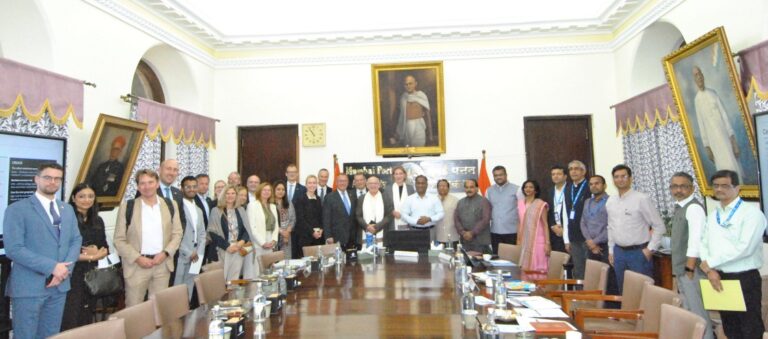
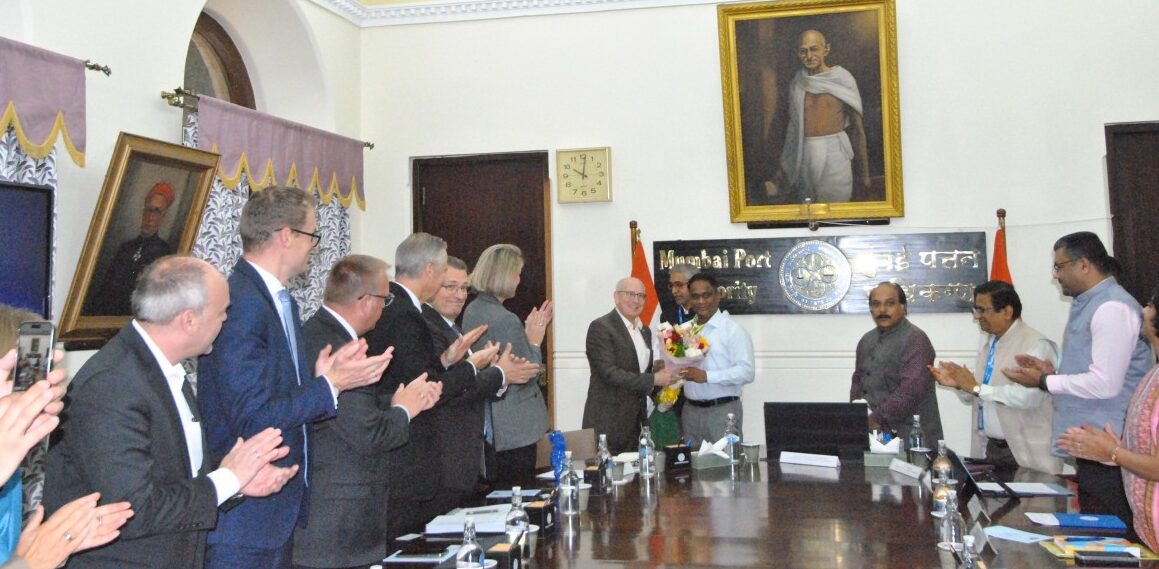
MUMBAI : Mumbai Port Authority hosted a senior German business delegation at the iconic Port House on Wednesday, 16 September 2026.

The delegation was led by Dr. Helena Melnikov, Chief Executive Officer, German Chambers of Commerce and Industry, and included seven Chief Executive Officers of German Chambers of Industry and Commerce (IHK) from across Germany. Mr. Christoph Hallier, Consul General of Germany in Mumbai, also accompanied the delegation.

Indo German Chamber of Commerce 1 edited German business delegation explores maritime trade and infrastructure opportunities at Mumbai Port

Dr. M. Angamuthu, IAS, Chairperson, Mumbai Port Authority, interacted with the delegation and presented an overview of Mumbai Port’s operations, ongoing projects, future development plans and trade linkages.

The discussion focused on India’s growing economic scale and the pivotal role of ports in supporting trade, logistics, infrastructure and industrial growth. The German delegation acknowledged the scale of India’s growth and conveyed keen interest in participating through maritime, logistics, infrastructure and technology-led cooperation.

Mumbai Port Authority highlighted its role in cargo handling, port logistics, hinterland connectivity, marine infrastructure, cruise tourism, sustainable development, shipbuilding, ship repair, multimodal logistics and public-private partnership opportunities.

Key projects discussed included Viksit Bharat Mumbai Marina, Eastern Waterfront and International Convention Centre, Jawahar Dweep-related energy infrastructure, the proposed National Mega Shipbuilding Cluster at Dighi, port modernisation works and forthcoming public-facing maritime infrastructure.

The discussion also covered Mumbai Port’s role in automobile movement and trade-linked logistics, and how stronger port infrastructure and hinterland connectivity can support India-Germany trade flows.

Speaking on the occasion, Dr. M. Angamuthu, IAS, Chairperson, Mumbai Port Authority, said, “We were pleased to receive the German delegation at Port House. India is growing at a massive scale, and ports have an important role in supporting this growth through trade, logistics, energy movement, cruise tourism and maritime services. Germany brings strong industrial and technological capabilities. Such interactions help us identify practical areas for collaboration between institutions and industry.”

The visit was coordinated as part of the delegation’s India programme organised by the Indo-German Chamber of Commerce. India from 14 to 18 September 2026, covering New Delhi and Mumbai, with focus on strengthening Indo-German economic engagement and exploring cooperation between companies, institutions and regions.

Mumbai Port Authority remains committed to showcasing Mumbai Port’s infrastructure to national and international delegations and facilitating exchanges that contribute to India’s maritime, trade and logistics development.