Home Blog Page 532

IMO updates logo to reflect reinvigorated maritime future

LONDON: The International Maritime Organization (IMO) will roll out a refreshed logo and visual identity, following a presentation by IMO Secretary-General Arsenio Dominguez to the 34th session of the IMO Assembly (24 November to 3 December).

The updated visual identity honours the Organization’s past and signals its readiness to meet the challenges of 21st-century shipping.

Addressing the Assembly on its final day of deliberations (3 December), Secretary-General Dominguez said: “The updated logo and the new visual identity embody our enduring commitment to safe, secure, efficient and environmentally-sound shipping, and to cooperation among Member States to protect people and the planet.”

Rooted in the emblem first adopted when the Organization was established as the Inter-Governmental Maritime Consultative Organization more than 77 years ago, the modernized design preserves that heritage while placing the ocean at its core. 

Drawing on the United Nations emblem, the design retains the world map framed by olive branches and anchors and now emphasizes the ocean’s central role in global affairs.  A new font and colour palette has been selected, including a deeper blue for the logo, not only enhancing clarity and brand recognition, but also making it easier to perceive for people with visual impairments.

The new IMO logo is available in all six official UN languages.

2025 Abu Dhabi Maritime Awards Winners Set New Standards for the Marina Industry

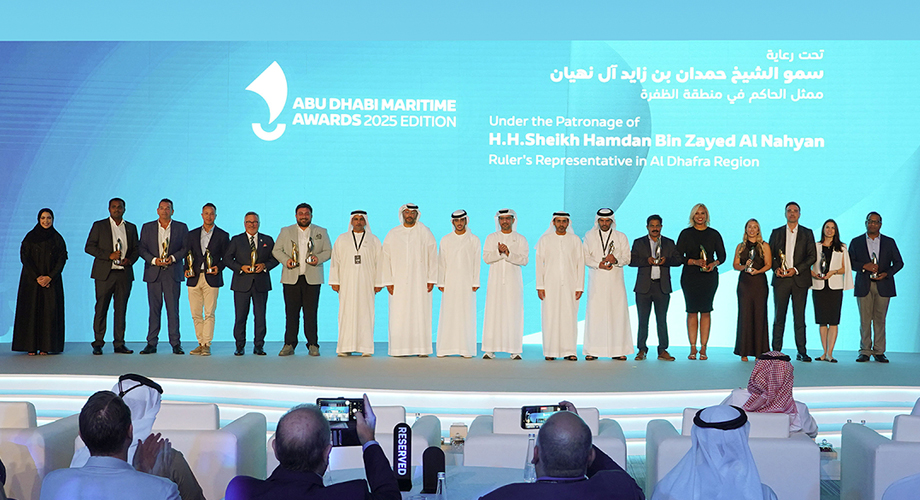
ABU DHABI: Under the patronage of His Highness Sheikh Hamdan bin Zayed Al Nahyan, Ruler’s Representative in the Al Dhafra Region; in the presence of Sheikh Rashid bin Hamdan bin Zayed Al Nahyan and Sheikh Ahmed bin Hamdan Al Nahyan, President of the UAE Sailing and Rowing Federation; and in collaboration with the Integrated Transport Centre (ITC), an affiliate of the Abu Dhabi Department of Municipalities and Transport; Abu Dhabi Maritime – part of AD Ports Group – announced the winners of the 2025 Abu Dhabi Maritime Awards in a ceremony during the Abu Dhabi International Boat Show.

The Awards aim to bring recognition to the vibrant marina industry across the Middle East, North Africa, and Türkiye (MENAT region), and to set new benchmarks for excellence in marina management and operations.

For their third edition, the Awards expanded their scope to recognise outstanding organisation-wide, individual, and project-based achievements or performance.

The Awards ceremony honoured 22 winners across the following categories:

Organisation-Based Awards
  • Outstanding Marina Award:
    • Gold: Dubai Harbour – UAE
    • Silver: D-Marin Didim – Türkiye
  • Outstanding Emerging Marina Award:
    • Gold: D-Marin Marsa Al Arab – UAE
    • Silver: Emirates Palace Marina – UAE
  • Customer Experience Award:
    • Gold: D-Marin Didim – Türkiye
    • Silver: D-Marin Göcek – Türkiye
  • Employer Excellence Award:
    • Gold: Palm Jumeirah Marina – UAE
    • Silver: Bulgari Marina – UAE
  • Health & Safety Award:
    • Gold: Emirates Palace Marina – UAE
    • Silver: D-Marin Turgutreis – Türkiye
  • Innovation Award:
    • Gold: D-Marin Göcek – Türkiye
    • Silver: Palm Jumeirah Marina – UAE
  • Sustainability Award:
    • Gold: D-Marin Turgutreis – Türkiye
    • Silver: The Pearl Island Marina – Qatar
Individual-Based Awards
  • Outstanding Leader Award:
    • Gold: Wayne Shepherd – Dubai Harbour
    • Silver: Adel Maani – Ayla Marina
  • Outstanding Service Hero Award:
    •  Gold: Sara Abdelaziz – Aldar Marinas
    • Silver: Charles Mayanja – Emirates Palace Marina
  • Rising Star Award:
    • Gold: Hassan Ahmad – Jeddah Yacht Club
    • Silver: Sherzodbek Ganiev – Palm Jumeirah Marina
Project-Based Awards
  • Sustainability Project Award: Dubai Islands Marina
  • Innovation Project Award: Dubai Harbour

Finally, the Most Popular Marina special recognition, selected by public vote, went to: The Pearl Island Marina – Qatar.

On this occasion, Dr. Abdulla Hamad AlGhfeli, Acting Director-General of the Integrated Transport Centre, said: “The Abu Dhabi Maritime Awards continue to reflect our dedication to advancing the maritime sector through collaboration, innovation, and excellence. By recognising outstanding contributions from across the MENAT region, we not only celebrate achievements but also foster a culture of continuous improvement. These awards play a vital role in elevating service quality, promoting sustainability, and encouraging knowledge exchange, ultimately strengthening Abu Dhabi’s leadership in maritime sector development and enhancing Abu Dhabi’s position as a leading maritime hub.”

Captain Saif Al Mheiri, CEO of Abu Dhabi Maritime and Chief Sustainability Officer at AD Ports Group, added: “More than a celebration, the Abu Dhabi Maritime Awards are a catalyst for progress in the marina industry. Each year, we witness remarkable advancements in innovation, safety, and sustainability, driven by passionate individuals and organisations. As Abu Dhabi continues to rise as a global maritime hub, these awards underscore our commitment to setting world-class standards and positioning the emirate at the forefront of the international maritime landscape.”

New this year was the incorporation of an artificial intelligence agent into the Awards’ secure online submission and assessment platform.

As in previous editions, submissions to the Abu Dhabi Maritime Awards first underwent analysis by teams of qualified assessors, who scored each entry according to the criteria specific to each award category.  

The AI agent organised data for easy access by the assessors. It further identified submissions’ potential strengths and shortcomings for assessors’ consideration during their own comprehensive reviews.

Assessors submitted their findings to the Awards jury members, who weighed assessors’ input as part of their deliberations, but also conducted their own qualitative examination of each entry before deciding award winners.

The introduction of AI assistance to the Abu Dhabi Maritime Awards has laid the groundwork for its further integration as a complement to the human-led evaluation and judging processes. 

The Abu Dhabi Maritime Awards model draws from multi-sector leading awards programme benchmarks. Also notable this year was the diversity of the Awards’ 13 assessors. With wide-ranging professional experience – from customer experience strategy to quality management, marketing, sustainable development, and business excellence – spanning a combined 12 countries on five continents, these experts brought valuable perspectives to their analyses, further underling the Awards’ panoramic approach.

The 2025 Abu Dhabi Maritime Awards jury, meanwhile, comprised distinguished leaders whose eminence ensured a rigorous, independent, and forward-looking evaluation process, backed by decades of practice across industry, consultancy, and quality frameworks. This collective strength reinforced the Awards’ stature as a measure of excellence in the maritime sector.

The fourth edition of the Abu Dhabi Maritime Awards is scheduled to take place in fall 2026.

In collaboration with Integrated Transport Centre, Abu Dhabi Maritime, operating under AD Ports Group, is tasked with safeguarding Abu Dhabi’s waterways and supporting the growth of the emirate’s maritime sector.

The awards are a testament to the organisations’ commitment to upholding high health, safety, and environmental standards, positioning Abu Dhabi as a premier global maritime hub.

Skaramangas Shipyards becomes Green Award Incentive Provider, strengthening support from a growing European shipyard

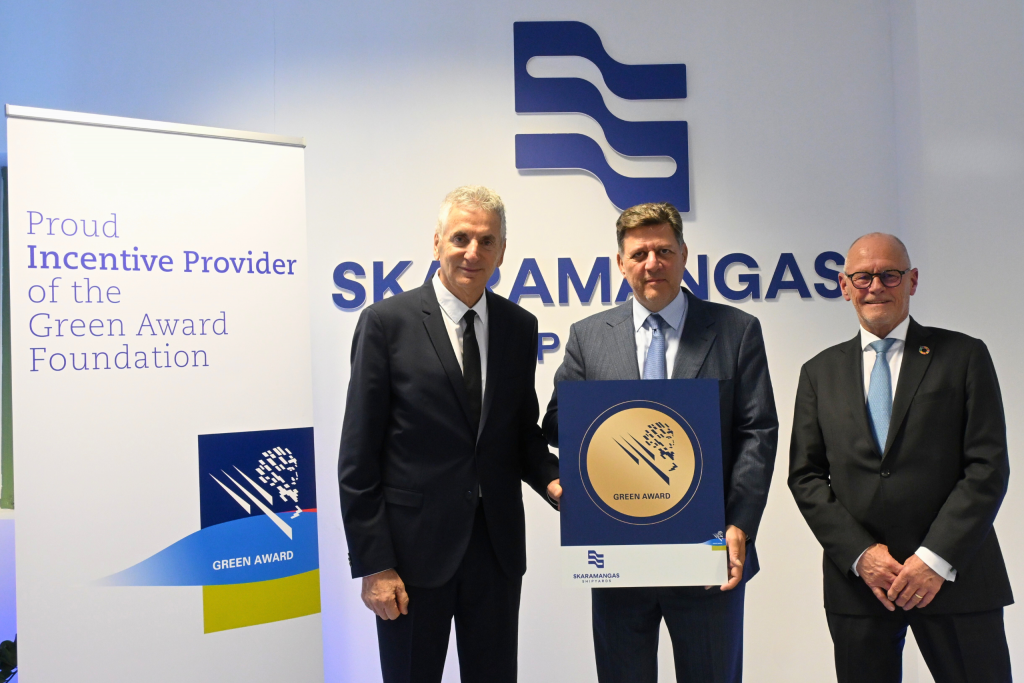
PIRAEUS: The Green Award Foundation is pleased to welcome Skaramangas Shipyards, the largest shipyard in Greece and one of the most significant shipbuilding and repair facilities in the Eastern Mediterranean, as the newest Incentive Provider in the Green Award programme. With over seventy years of experience and a facility exceeding 1,000,000 m², the shipyard remains a cornerstone of the region’s maritime industry.

As part of this partnership, Green Award certified vessels will receive a 5% discount on selected services, including dry docking and berthing, hull and steel repairs, machinery and propulsion works, electrical services, surface preparation and coating, and a wide range of additional services. These incentives support ship operators committed to high standards of quality, safety, and environmental responsibility. This collaboration further promotes safer, cleaner, and more energy-efficient vessel operations across the region.

Skaramangas Shipyards applied to become a Green Award Incentive Provider in recognition of the crucial role shipyards must play in accelerating the transition to cleaner and more responsible maritime operations

Said Miltiadis Varvitsiotis, Vice President and CEO. “By supporting certified vessels and encouraging elevated sustainability standards, we aim to contribute to a greener and more resilient future for the industry.”

“We are delighted to welcome Skaramangas Shipyards to the Green Award network,” said Jan Fransen, Executive Director of the Green Award Foundation. “Their technical expertise and longstanding role in the region make them a strong partner in our mission to promote cleaner and safer shipping.”

About Skaramangas Shipyards
Skaramangas Shipyards is the largest shipyard in Greece and one of the biggest in the Eastern Mediterranean. With over seventy years of history, the shipyard specializes in naval and commercial shipbuilding, repair, and advanced marine engineering. Its extensive facilities include one of the region’s largest dry docks, alongside specialized workshops supporting hull, machinery, electrical, coating, and submarine-related works.

About Green Award Foundation
The Green Award Foundation is a non-profit certification programme that has promoted safe and sustainable shipping for over 30 years. It collaborates with ship operators, ports, governments, and maritime service providers worldwide to set standards, conduct audits, and reward best practices. More than 200 organizations offer incentives to Green Award certified vessels. The programme supports ESG policies and aligns with 13 UN Sustainable Development Goals.

Drewry: World Container Index up 7% last week

LONDON: The Drewry World Container Index (WCI) rose 7% to $1,927 per 40ft container after three weeks of decline, mainly due to rate hikes on Transpacific and Asia–Europe trade routes.

Following three weeks of declines that pushed spot rates to their lowest level since January 2025, rates on the Transpacific headhaul finally recovered this week. Spot rates from Shanghai to Los Angeles climbed 8% to $2,256 per 40ft container, while those to New York rose 6% to $2,895.

Shifting away from traditional fortnightly adjustments, some carriers have adopted a weekly strategy for GRIs. Instead of announcing large hikes that tend to erode quickly, carriers are now introducing smaller, more frequent increases to maintain consistent upwards pressure on spot rates. This strategy appears to have been effective this week, leading Drewry to forecast stable rates in the week ahead.

Spot rates on the Shanghai–Genoa route increased in double digits, rising 15% to $2,648 per 40ft container, while rates from Shanghai to Rotterdam edged up 4% to $2,241 per 40ft container. In contrast to the Transpacific trade route, Asia–Europe has successfully sustained rate levels for three consecutive weeks, leveraging FAK increases to support spot rates before annual contract talks begin.The uncertainty surrounding the Suez Canal is adding volatility to the Asia–Europe trade lanes since carriers continue to view the Suez as the natural route between the two regions. A full resumption of transits would return significant capacity to the market and exert downwards pressure on rates, although the effect would likely be gradual due to the possible congestion at ports following the realignment of East–West networks.

Ocean spot market freight rates against 6,700 global port pairs

If you need spot market container freight rate information on other routes to those above, find out more about our Container Freight Rate Insight (CFRI) online service, which covers 6,700 global port pairs updated monthly (2,450 updated fortnightly).
Source: The Drewry

ClassNK issues General Design Approval (GDA) for Low-pressure LCO2 Cargo Tank developed by Mitsubishi Shipbuilding

TOKYO: ClassNK has issued a General Design Approval (GDA) for Low-pressure LCO2 Cargo Tank developed by Mitsubishi Shipbuilding Co., Ltd. This approval verifies the tank’s compliance with relevant rules at the detailed design level*1. GDA for a liquefied CO₂ cargo tank made of KF460 steel and applying technology that omits PWHT*2 marks the world’s first case.

This GDA includes a tank safety assessment process based on a fracture mechanics technique called Engineering Critical Assessment (ECA)*2 to omit post-weld heat treatment (PWHT)*3, which can be a bottleneck in tank manufacturing. An Approval in Principle (AiP) for Mitsubishi Shipbuilding’s ECA evaluation process was issued in September 2024*4.

Based on the detailed design evaluation conducted by the Company and the material property assessment for a new steel conforming to NK standard ‘KF460’ developed by Nippon Steel Corporation, the structural integrity of the tank under the specified design temperature conditions has been demonstrated through ECA. In light of these assessments, ClassNK conducted a review of the tank in accordance with Part N of its ‘Rules and Guidance for the Survey and Construction of Steel Ships’. Upon confirming that the tank meets the prescribed requirements even without PWHT, ClassNK has issued the GDA. This marks the first time ClassNK has issued a GDA for a LCO2 cargo tank.

ClassNK will continually strive to contribute to advanced carbon neutral initiatives through safety assessments and more.

CNK ClassNK issues General Design Approval (GDA) for Low-pressure LCO2 Cargo Tank developed by Mitsubishi Shipbuilding

Illustration for an installation of the Low-pressure LCO2 tanks (Courtesy of Mitsubishi Shipbuilding)

*1 At an early stage of design, or prior to the determination of a specific vessel for implementation, the design is reviewed based on existing regulations such as international conventions and ship classification rules, and a certificate is issued as proof of compliance with the relevant requirements.

This process helps prevent regulatory revisions or rework in later development stages and contributes to reducing the time required for examination upon class registration. It can also serve as a technical basis for externally demonstrating the soundness of the design.
 
Depending on the stage of the review, Approval in Principle (AiP) is generally applied to basic designs or earlier stages, while General Design Approval (GDA) is applied to standardized products at the detailed design level.

Positioning of AiP and GDA

CNK 2 ClassNK issues General Design Approval (GDA) for Low-pressure LCO2 Cargo Tank developed by Mitsubishi Shipbuilding

 
*2 Engineering Critical Assessment (ECA)
An evaluation method based on fracture mechanics to determine whether defects found in welds, etc. will cause phenomena such as collapse during the design life of a structure.

*3 Post Weld Heat Treatment (PWHT)
Heat treatment to reduce residual stress in the weld zone by reheating and holding the weld zone to approximately 600°C after welding. Generally, this treatment is performed in the heat treatment furnace, since it is reheated and maintained to a high temperature of about 600°C.
When the products are of large size, furnace size may cause bottlenecks in the manufacturing process.
 
*4 Related Press Release: ClassNK issues Approval in Principle (AiP) for large liquefied CO2 carriers of 50,000 m³ and 23,000 m³ – Working towards ensuring stable supply of liquefied CO2 carriers for support of CCS projects –
https://www.classnk.or.jp/hp/en/hp_pressrelease.aspx?id=12242&layout=1

“Modi Ji is the Grand Architect of the New and Resurgent North East”: Sarbananda Sonowal

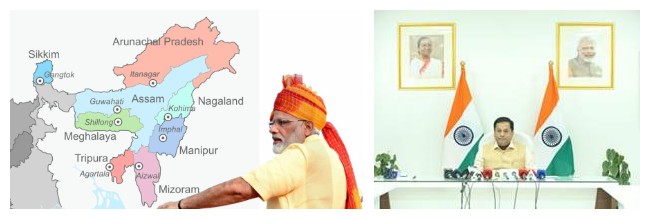
NEW DELHI: The Union Minister for Ports, Shipping and Waterways Sarbananda Sonowal said Prime Minister Shri Narendra Modi has emerged as “the grand architect of a new and resurgent Northeast,” transforming a region once neglected for decades into a major driver of India’s growth, connectivity and national pride.

Speaking on the development outcomes achieved over the last decade, Sonowal said the Northeast has transitioned “from the margins of policymaking to the mainstream of national priorities,” reflecting the prime minister’s commitment to infrastructure expansion, economic reform, cultural revival and long-term peace-building.

“The Northeast suffered seven decades of under-representation and underinvestment,” Sarbananda Sonowal said. “Under Modi ji, the region is recognized as the Ashtalakshmi of India — not just a border region but a new engine of national growth. From railway capital connectivity and airports to highways, power, digital networks and inland waterways, the transformation has been historic.”

The Union Minister Sarbananda Sonowal said connectivity has been the cornerstone of the prime minister’s roadmap.All major gauge conversion work in the region has been completed, with Arunachal Pradesh, Tripura, Manipur and Mizoram connected to the broad gauge network and goods and passenger trains reaching the region’s interiors for the first time. The Bogibeel rail-cum-road bridge — completed in 2018 — and the commissioning of the Bhairabi–Sairang link in June 2025 have expanded access across Assam and Mizoram.

Four capital connectivity rail projects — Nagaland, Manipur, Sikkim and Meghalaya — are underway, while the India–Bangladesh Agartala–Akhaura rail link was inaugurated jointly by the prime ministers of both nations in November 2023.

On roads, more than 11,000 km of upgraded national and strategic highways have been taken up in the last decade. Major corridors include the Shillong–Nongstoin–Tura section, the Nechipu–Hoj NH–13 project, and the capital connectivity highways to Kohima, Itanagar and Gangtok, several of which are nearing completion in 2025.

Air connectivity has undergone what Sarbananda Sonowal described as “a revolution.” From nine airports in 2014, the Northeast now has 19 operational airports. Greenfield airports at Pakyong and Hollongi, along with the upgraded Tezu, Rupsi and Agartala terminals, were operationalized under the UDAN scheme. A network of heliports and water aerodromes has been added to extend links to remote districts.

Economic and Industrial Infrastructure.

“Under the visionary leadership of Prime Minister Narendra Modi ji, the Northeast has witnessed a historic reversal of decades of neglect. From rail connectivity reaching state capitals to world-class highways, airports and waterways, the region has emerged as a new engine driving India’s growth. The completion of landmark projects like Bogibeel, the expansion of AIIMS Guwahati, and the rapid pace of road and airport infrastructure demonstrate the scale of transformation underway,” said Sarbananda Sonowal

Sonowal said the Prime Minister Modi’s vision has attracted historic investment to the Northeast. The bio-refinery at Numaligarh, India’s first bamboo-based ethanol plant, has created new income streams for farmers. The Numaligarh Refinery Expansion, costing ₹22,594 crore, has tripled its capacity, positioning the region as a strategic energy hub.The semiconductor assembly and test facility at Jagiroad — a ₹27,000 crore investment — will produce 15 billion chips annually and generate 27,000 jobs, placing the Northeast on the global technology map. Agriculture and organics are central to the region’s development. The Northeast now leads India’s organic value chain, supported by farmer-producer organisations, bamboo industry deregulation and dedicated missions.

The Union Minister Sarbananda Sonowal said stability in the Northeast has improved due to peace accords with Bodo, Karbi, Bru and other groups, while AFSPA has been reduced by 75 percent since 2014.“A cultural renaissance is underway,” Sarbananda Sonowal said, noting national recognition for icons such as Bharat Ratna Dr Bhupen Hazarika, the commemoration of Lachit Barphukon, and the inscription of Assam’s Maidams on the UNESCO World Heritage List.

“The Modi decade has unlocked unprecedented economic potential for the Northeast — from the bamboo-based bio-refinery at Numaligarh to the first semiconductor plant at Jagiroad. These are not isolated projects; they reflect a renewed national confidence in our region. Alongside peace accords, cultural revival, and global recognition of icons like Lachit Barphukon and Bhupen Hazarika, we are witnessing a renaissance of identity, pride, opportunity and investment in our land,” said Sarbananda Sonowal

Sonowal said the Prime Minister Modi’s more than 70 visits to the region and consistent ministerial review reflect “governance that shows up where people live.”

Gateway to Southeast Asia

Under the Act East Policy, Sonowal said, the Northeast is becoming a logistics and cultural gateway to Southeast Asia, through integrated check posts, border infrastructure and multimodal connectivity linking waterways, highways and rail.

“The story of the Northeast today is the story of a resurgent India,” Sonowal said. “This transformation carries the signature of Prime Minister Modi — a leader who placed faith, focus and future in the hands of the Northeast’s people.”

https://x.com/i/status/1996496947428065647

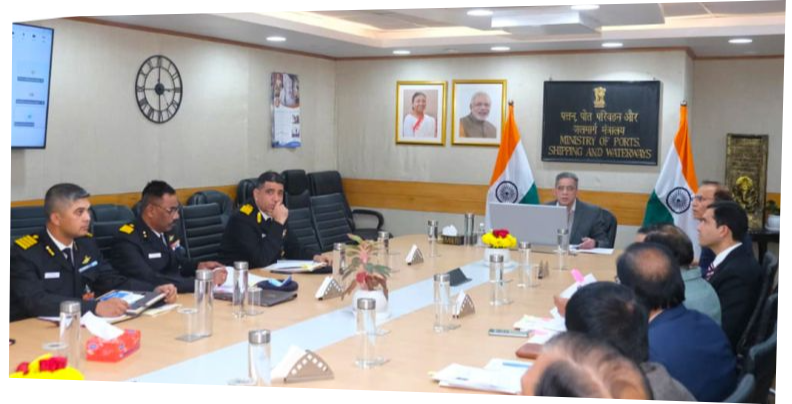
MoPSW Secretary Reviews Progress on National Maritime Heritage Complex

NEW DELHI: Shri Vijay Kumar, IAS, Secretary, Ministry of Ports, Shipping & Waterways (MoPSW), chaired the 3rd Steering Committee Meeting of the National Maritime Heritage Complex (NMHC), reaffirming the Government’s commitment to preserving and promoting India’s rich maritime heritage.

During the meeting, senior officials reviewed the current progress of NMHC initiatives and outlined strategic pathways to accelerate development of this iconic project, envisioned to showcase India’s centuries-old maritime strength and global maritime contributions.

The NMHC aims to be a world-class cultural and educational destination, offering an enriching experience that reflects India’s role as a maritime powerhouse through history. With its state-of-the-art exhibits, interactive storytelling, and heritage conservation elements, the complex is poised to inspire curiosity, research, and national pride in future generations.

The Steering Committee emphasized collaborative efforts among stakeholder ministries and implementing agencies to ensure timely execution and global positioning of the NMHC as a landmark institution. The project aligns with the national vision of reviving maritime traditions and strengthening India’s standing as a key player in global maritime affairs.

As the development journey continues, the NMHC promises to serve as a bridge between India’s illustrious past and its dynamic maritime future.

JNPA registers Strong Cargo Growth in Apr–Nov 2025, Reinforces Role in India’s Maritime Trade

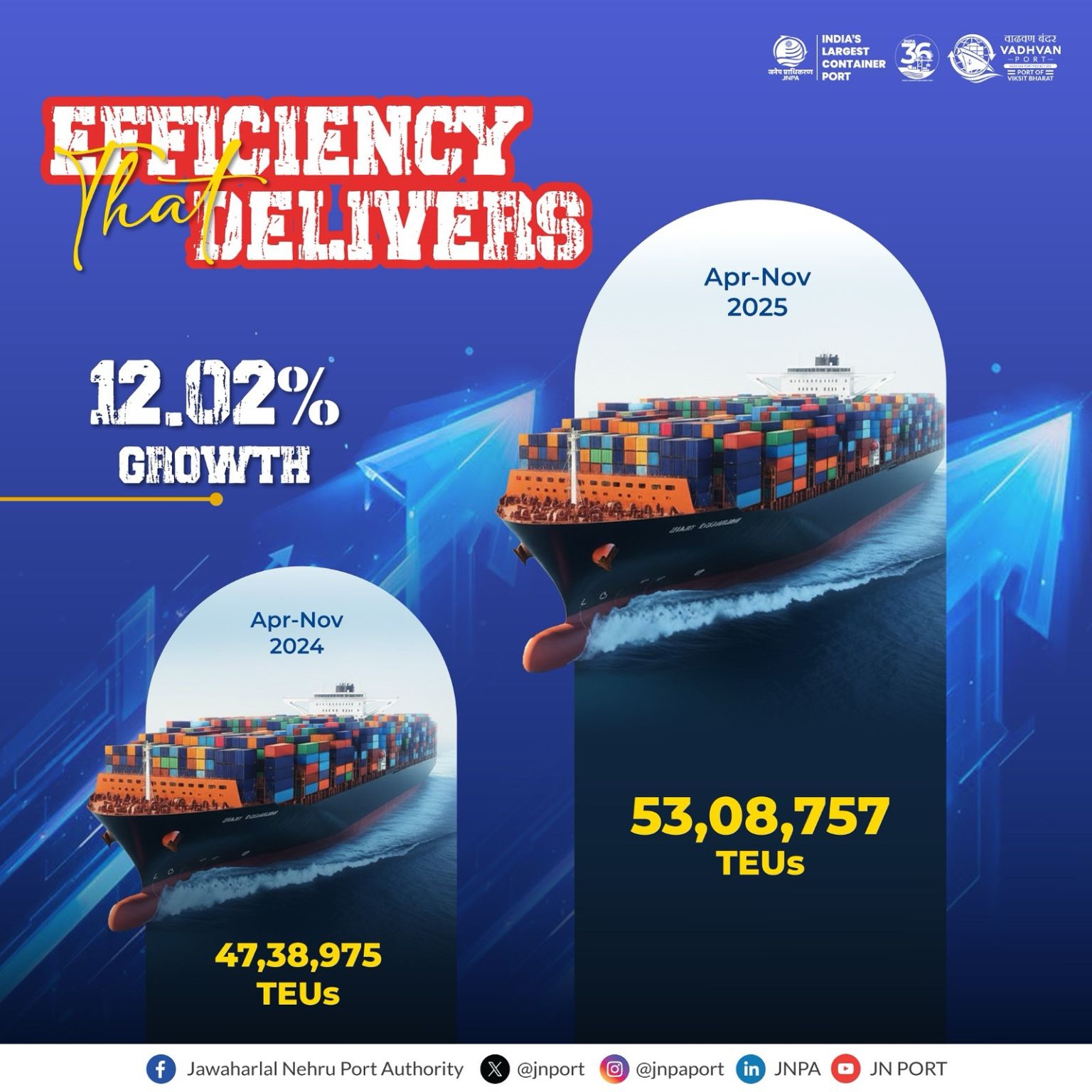
NAVI MUMBAI: Jawaharlal Nehru Port Authority (JNPA) has continued its upward growth momentum, reporting significant improvements in cargo and container handling during the April–November 2025 period.

According to operational data shared by JNPA, the port handled 53,08,757 TEUs of container traffic and 66.47 million tonnes of overall cargo during the first eight months of the current fiscal year. This marks a 12.02% rise in TEU volumes and a 10.69% increase in cargo tonnage over the same period last year.

The strong performance reflects JNPA’s ongoing efforts to enhance port capacity, boost operational efficiency, and drive multimodal logistics improvements. The port continues to act as a major gateway for India’s international trade, particularly for containerized cargo.

Industry stakeholders attribute this growth to JNPA’s investments in modern infrastructure, digital initiatives, and collaboration with logistics partners to streamline cargo movement.

With India’s maritime sector playing a pivotal role in economic development, JNPA’s consistent upward trajectory underscores its commitment to supporting the nation’s trade ambitions and strengthening supply-chain competitiveness.

Vizhinjam International Seaport marks One Year of Commercial Operations with Record-Breaking Milestones

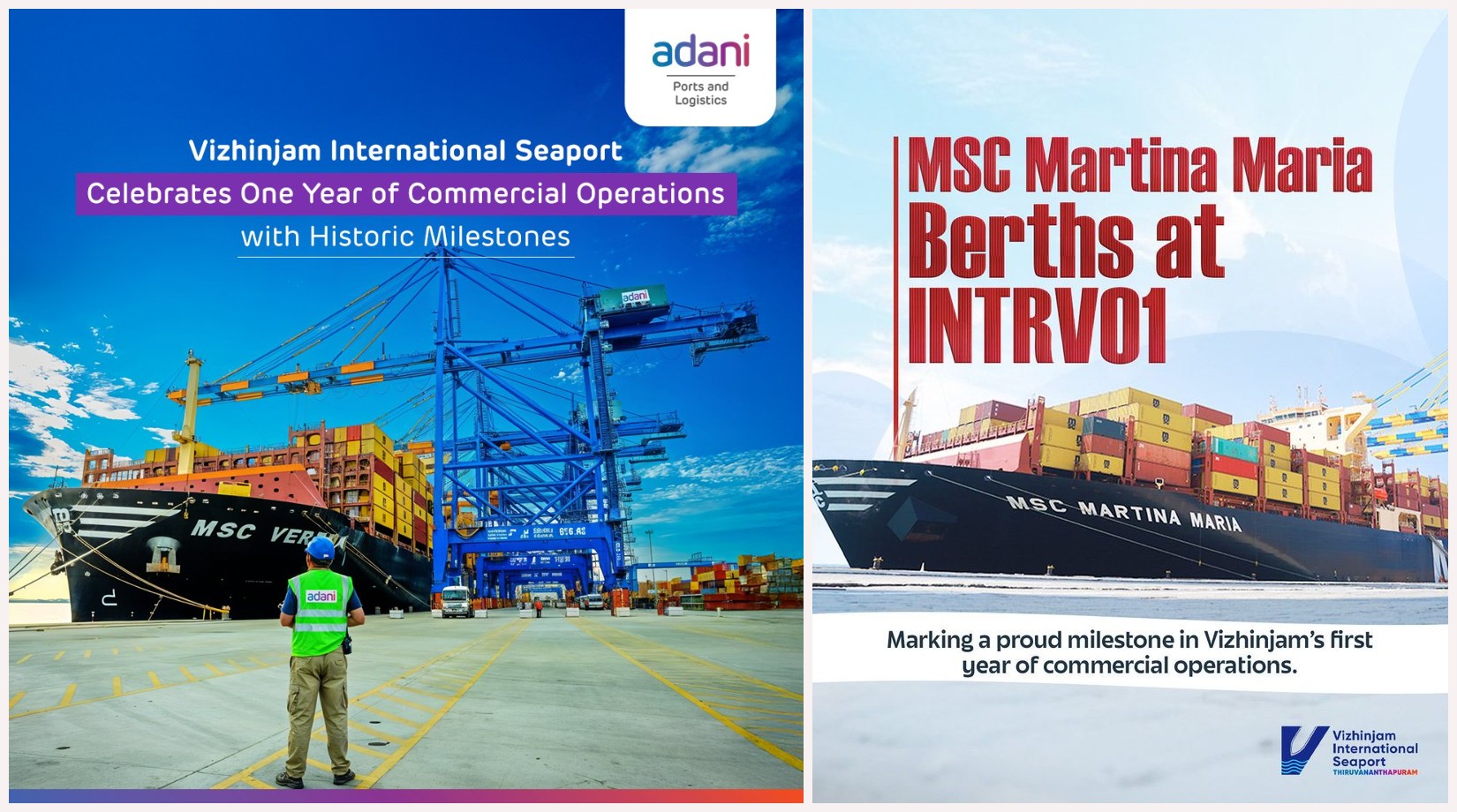
THIRUVANANTHPURAM: Vizhinjam International Seaport, developed and operated by Adani Ports and Special Economic Zone Ltd. (APSEZ) in partnership with the Government of Kerala, has completed its first year of commercial operations on 3rd December, 2025 with an extraordinary performance that has redefined India’s maritime capabilities and earned global acclaim.

In a single year, the port has surged ahead with record-breaking growth, unmatched operational efficiency, and milestone vessel calls that position it firmly among the world’s emerging deep-water transshipment hubs.

Celebrated nationwide as the “Wonder Port of India,” Vizhinjam’s debut year stands out for its exceptional speed and scale. It became the fastest Indian port to cross the one-million-TEU mark, achieving this milestone in record time and surpassing its annual capacity within just ten months.
By its first anniversary, the port had handled 615 vessels and 1.32 million TEUs, demonstrating a level of operational consistency rarely seen in a new maritime facility.

Vizhinjam’s ability to attract the world’s largest carriers has been a defining feature of its remarkable year. Between December 2024 and December 2025, the port welcomed 41 ultra-large container vessels (ULCVs) measuring more than 399 metres—more than any other port in India.

In total, 154 vessels above 300 metres called at the port, further underscoring its readiness to serve as a global hub for the biggest liners. Among its most significant achievements was the arrival of MSC Verona, with a 17.1-metre draft—the deepest-draft vessel ever handled in South Asia.

The port also hosted MSC Irina, the world’s largest container ship, marking another historic milestone. Moreover, MSC Martina Maria berths at INTRV01, adding to the milestones of first year of commercial operations.

Vizhinjam recorded its highest-ever single-vessel TEU handling when MSC Paloma carried 10,576 TEUs, and set a national benchmark with a Gross Crane Rate of 28.52 in October 2025.

Technology and workforce innovation have been at the heart of Vizhinjam’s rapid ascent. As India’s first semi-automated container port, it delivers global standards of speed and reliability.

Vizhinjam also became the first port in the country to employ women automated crane operators, advancing gender inclusion in maritime operations. Its sophisticated, Made-in-India Vehicle Traffic Management System has streamlined landside routing and reduced turnaround time.

A major pillar of the port’s success lies in its engineering excellence. Vizhinjam boasts one of India’s largest breakwaters—3 km long, 28 metres high and 125 metres wide—combined with natural depths of 18 to 20 metres that allow the berthing of ultra-large vessels without extensive dredging. Minimal littoral drift ensures steady year-round operations, strengthening the port’s reliability.

Strategically positioned along key East–West shipping routes, Vizhinjam is rapidly emerging as India’s premier deep-water transshipment gateway. Its extraordinary first year not only enhances India’s stature in global maritime trade but also accelerates the nation’s journey toward becoming a major logistics and supply-chain power in the region.

Gujarat Pipavav Port, NYK India sign MoU to shape Major Automotive Export Hub

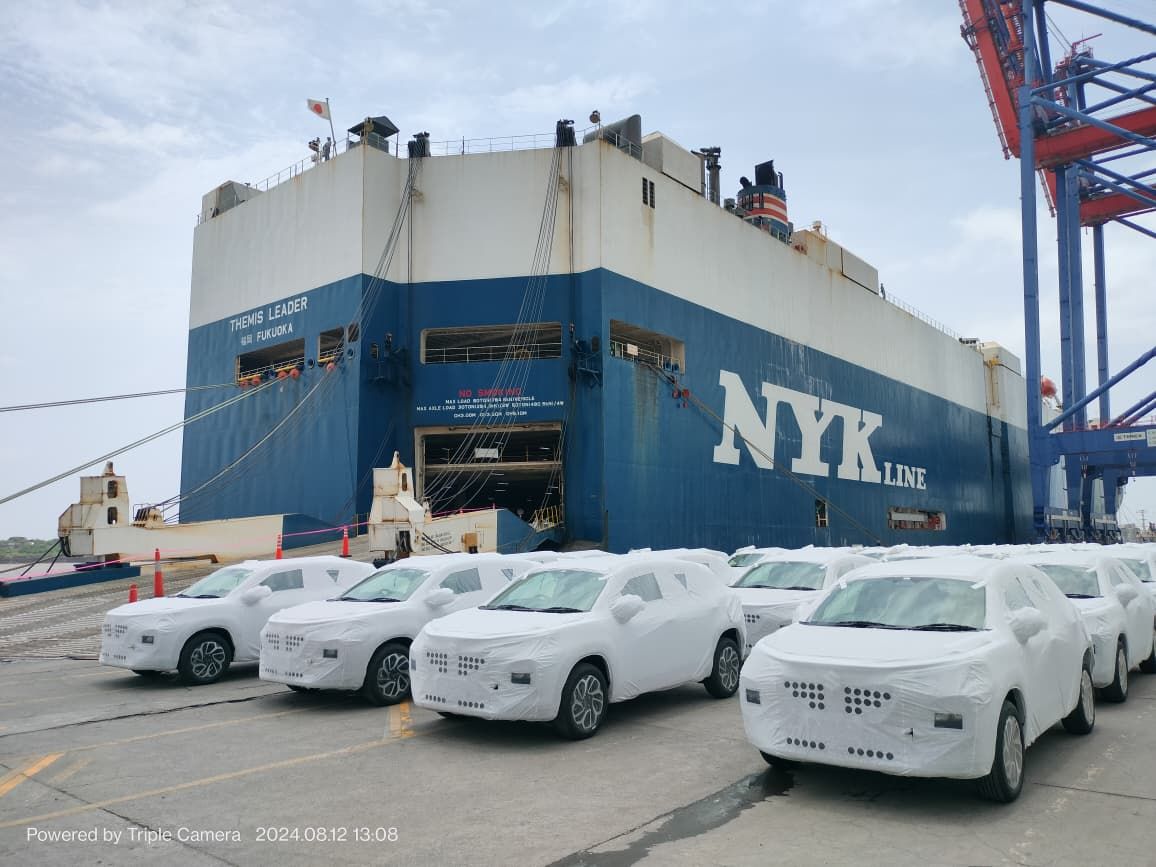
MUMBAI: Gujarat Pipavav Port Ltd. (GPPL), marketed as APM Terminals Pipavav, has entered into a non-binding Memorandum of Understanding (MoU) with NYK India to significantly expand its Roll-on/Roll-off (RoRo) infrastructure, in a move aimed at strengthening India’s fast-growing automobile export supply chain.

Under the proposed collaboration, Pipavav Port will develop advanced facilities capable of handling up to 500,000 vehicles per year, including a growing share of electric vehicles destined for global markets. The capacity expansion will focus on reducing yard dwell time and ensuring seamless synchronisation between vessel operations and rail freight services — a key advantage for manufacturers in northern and northwestern industrial hubs.

Located on the southwest coast of Gujarat near Bhavnagar, Pipavav Port is India’s first private-sector port and a major multimodal gateway with container capacity of around 1.35 million TEUs annually, along with bulk, liquid and RoRo capabilities. Its double-stack rail connectivity enables efficient movement of automotive cargo from major manufacturing regions to the west coast for export.

The partnership builds on GPPL’s broader infrastructure growth plan and the port’s ambition to establish itself as a leading automotive logistics hub on India’s west coast. The facility already handles a diversified cargo mix and provides critical access to global shipping lanes.

NYK India — part of the global NYK Group — brings extensive expertise in RoRo shipping and auto-logistics, including terminal management, inland transport, and supply chain services supporting several leading vehicle manufacturers worldwide.

The agreement comes as GPPL continues to demonstrate strong financial momentum. In Q2 FY26, the port reported a 31.9% year-on-year increase in revenue to ₹299.35 crore, with Adjusted PAT rising 70.1% over the same period to ₹128.44 crore. The results reflect both rising cargo volumes and enhanced operational efficiency across its business verticals.

With India accelerating automobile exports — particularly in the EV segment — the strategic collaboration between APM Terminals Pipavav and NYK India is expected to provide a major boost to the nation’s competitiveness in global automotive logistics.